October 15, 2026
Why Indoor Air Quality Testing Matters for Your Home and Health
By @getindoorairqualitytestingpro
Understanding the Air You Breathe Indoors
Most of us spend the majority of our time inside, whether at home, in the office, or in commercial spaces. We think about the air outdoors, checking the air quality index before a run or a day out with the kids. But what about the air inside? Over the years, I have seen firsthand how easy it is to overlook the very air we breathe every day. The truth is, indoor air can be significantly more polluted than outdoor air, and without proper indoor air quality testing, you might never know what is floating around in your living room or bedroom.
I remember a call from a family in Keller, Texas, who had been dealing with persistent headaches and allergy-like symptoms for months. They had tried air purifiers, changed their cleaning products, and even replaced their HVAC filters. Nothing worked. When I finally ran a thorough indoor air quality testing session, we found elevated levels of mold spores, particulate matter from an aging duct system, and trace amounts of carbon monoxide from a small furnace leak. It was a wake-up call for them, and it is a story I tell often because it shows how invisible threats can be. This article draws on real experience in the field, not just textbook facts, to help you understand what indoor air quality testing can reveal and why it matters for your health and your home.
What Exactly Is Indoor Air Quality Testing?
Indoor air quality testing is the process of measuring the air inside a building to identify pollutants, moisture issues, and other factors that affect health and comfort. It is not a single test but a series of assessments using different tools and methods. A basic IAQ meter can measure temperature, humidity, and carbon dioxide levels. More advanced testing uses VOC sensors to detect volatile organic compounds from paints, cleaning supplies, or furniture. You might also see tests for radon gas, which is a radioactive gas that can seep into basements, or for carbon monoxide from gas appliances. Each of these tests tells a different part of the story.
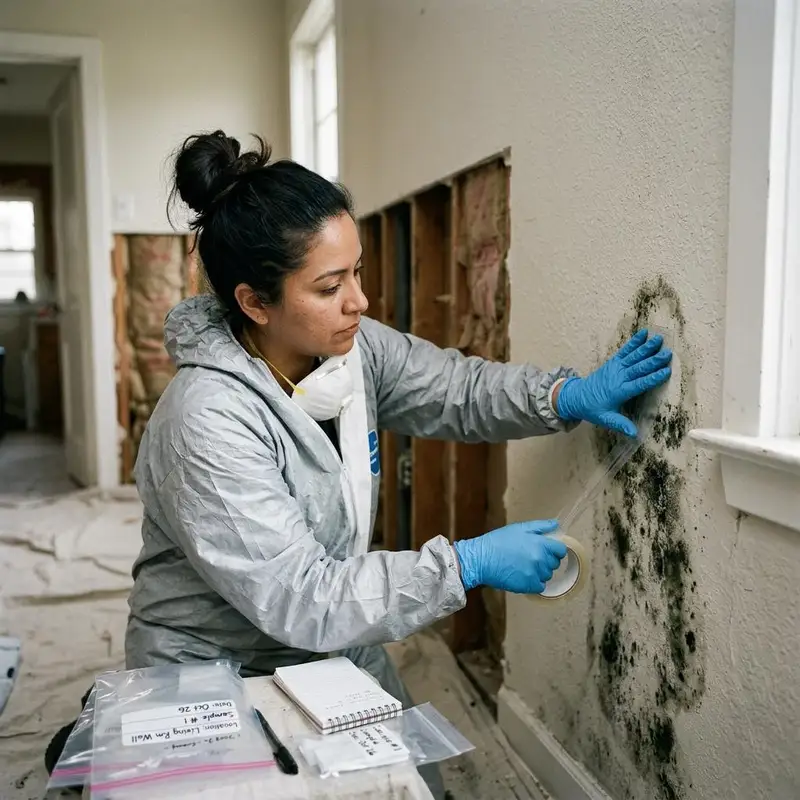
When I walk into a home, I always start by asking about the occupants' health and any symptoms they have noticed. Then I bring in the gear. A typical kit includes an IAQ meter for a quick snapshot, VOC sensors for chemical detection, and sometimes a particle counter to measure particulate matter. For mold issues, we often use spore traps or swabs to identify specific mold spores. The goal is to build a clear picture of what is in the air and where it is coming from. This is not guesswork; it is science, and it requires understanding how different pollutants behave and interact.
Common Culprits Found in Indoor Air
Over the years, I have seen the same problems pop up again and again in homes across Tarrant County. Mold spores are probably the most common issue I encounter. They thrive in damp areas like bathrooms, basements, and crawl spaces. But they can also grow inside HVAC systems if moisture control is poor. Mold inspection often goes hand in hand with air quality testing because mold is both a health hazard and a sign of a bigger moisture problem.
Another frequent find is particulate matter. This includes dust, pet dander, pollen, and other allergens that can trigger asthma or allergies. HEPA filters in air purifiers can help, but they are not a cure-all. If your home has leaky ducts or old carpets, you might be breathing in fine particles all day long. Bioaerosols, which are tiny airborne particles that contain bacteria or viruses, are also a concern, especially in buildings with poor ventilation.
I have also seen homes with elevated levels of radon gas, which is a serious issue because it is the second leading cause of lung cancer after smoking. Radon comes from the natural breakdown of uranium in soil and can enter through cracks in the foundation. The Texas Commission on Environmental Quality has resources for radon testing, but many homeowners do not think to check for it unless they are doing a full indoor air quality assessment. Carbon monoxide is another invisible threat. It is odorless and colorless, and it can come from gas stoves, furnaces, or a car running in an attached garage. Every home with gas appliances should have a carbon monoxide detector, but that is not a substitute for professional testing.
The Role of HVAC Systems and Duct Cleaning
Your HVAC system is the lungs of your home. It pulls air in, conditions it, and pushes it through the ducts to every room. If the system is dirty or poorly maintained, it can spread contaminants throughout the house. That is why duct cleaning is an important part of maintaining indoor air quality. The National Air Duct Cleaners Association sets standards for cleaning air ducts, and I always recommend that homeowners consider having their ducts professionally cleaned every few years, especially if they have pets, smokers, or recent renovations.
I once worked on a house where the air quality index inside was worse than the index outside on a bad smog day. The culprit was a buildup of dust and mold in the return air ducts. The HVAC system was essentially recirculating polluted air. After a thorough duct cleaning and some repairs to the moisture control system, the air quality improved dramatically. The family noticed the difference within days. Their allergies eased, and they stopped waking up with stuffy noses.
Ventilation is another key factor. Many modern homes are built to be energy-efficient, which means they are tightly sealed. That is great for your heating bill, but it can trap pollutants inside. Proper ventilation, including fresh air intakes and exhaust fans, helps dilute indoor contaminants. In commercial buildings, this is often regulated by codes, but in homes, it is up to the homeowner to ensure adequate airflow.
Practical Steps You Can Take
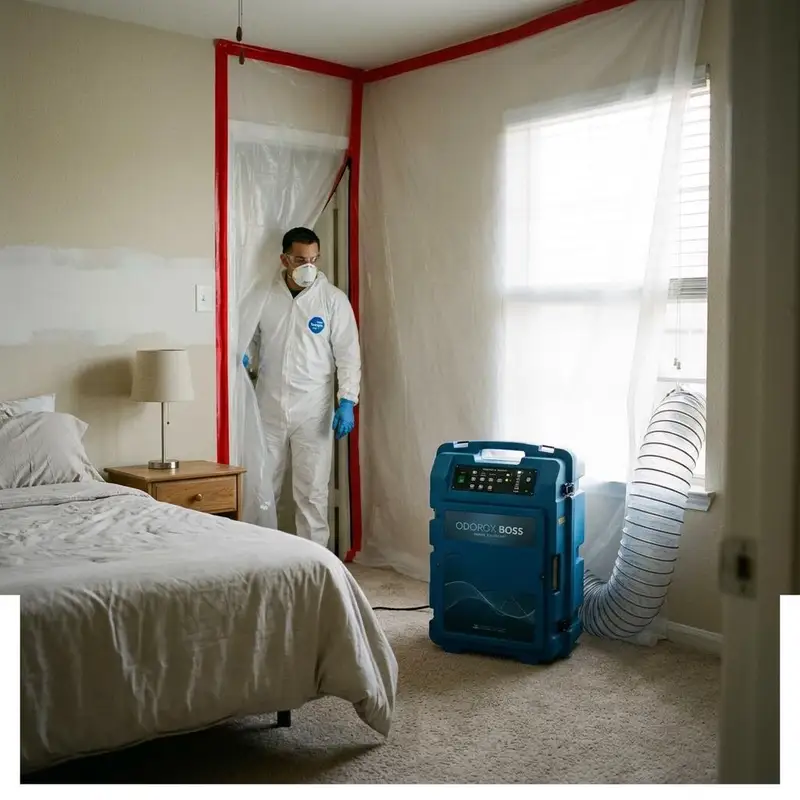
If you are concerned about the air in your home, here are some practical steps I have seen work for many homeowners:
- Start with a professional indoor air quality testing visit. It gives you a baseline and identifies specific problems you might not notice on your own.
- Change your HVAC filters regularly. A dirty filter does not just reduce efficiency; it can also release captured debris back into the air.
- Use air purifiers with HEPA filters in bedrooms and common areas. They are especially helpful for allergens and particulate matter.
- Keep humidity levels between 30% and 50%. Dehumidifiers in basements and crawl spaces can prevent mold growth.
- Check for gas leaks and install carbon monoxide detectors near sleeping areas.
These steps are not expensive, and they can make a real difference. But they are not a replacement for a full assessment. I have seen people spend hundreds of dollars on air purifiers and duct cleaning without ever testing the air, only to find that the real problem was radon gas or a hidden mold colony in the attic. Testing first saves time and money.
When to Call a Professional
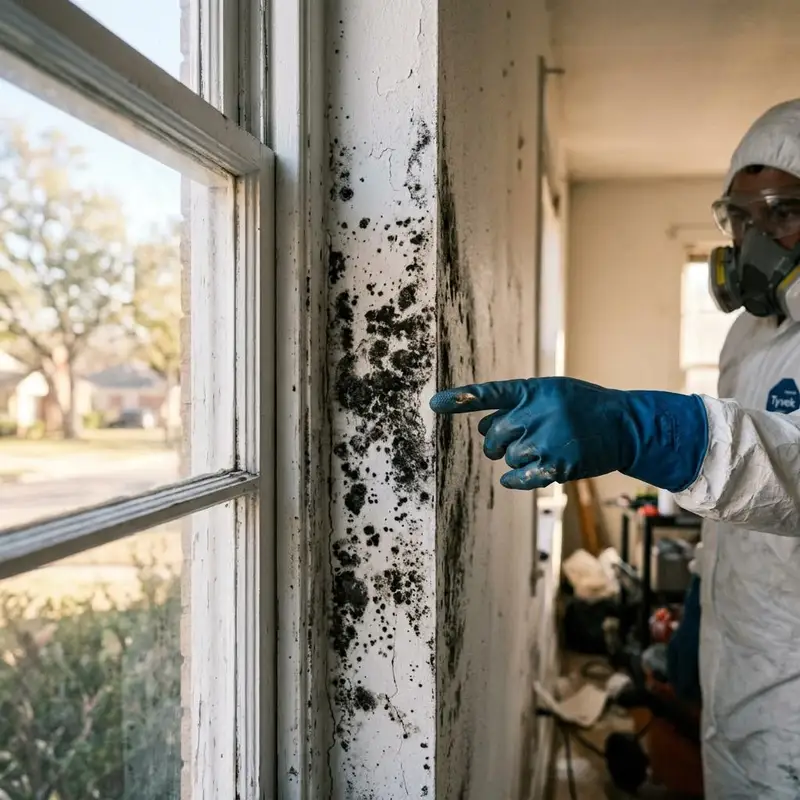
There are times when a simple IAQ meter from the hardware store just will not cut it. If you smell musty odors, notice persistent moisture on windows or walls, or if anyone in the home has unexplained respiratory symptoms, it is time to call someone who does this for a living. Professional indoor air quality testing uses calibrated instruments and follows protocols that ensure accurate results. For example, testing for mold spores requires sampling the air and sometimes the surfaces, then sending the samples to a lab for analysis. That is not something you can do with a home test kit.
I also recommend professional testing if you are buying or selling a home. A clean bill of health for the indoor air can be a strong selling point, and it gives buyers peace of mind. On the flip side, discovering a problem early can save you from a costly negotiation or a deal falling through. I have worked with real estate agents who routinely recommend mold inspection and air quality testing before listing a property.
The consumer product safety commission provides guidelines for indoor air quality, but enforcement is minimal. It is really up to each homeowner to take responsibility. If you have children, elderly family members, or anyone with asthma or allergies, the stakes are even higher. They are more vulnerable to the effects of poor air quality, and they may not be able to articulate what is bothering them.
Final Thoughts from the Field
I have been doing this work for years, and I still find it surprising how many people assume their indoor air is fine because they cannot see or smell a problem. The truth is, many of the most dangerous pollutants are invisible and odorless. Mold spores, carbon monoxide, radon gas, and fine particulate matter do not announce themselves. They just sit there, day after day, affecting your health and comfort.
Indoor air quality testing is not a luxury; it is a basic step in maintaining a healthy home. I have seen it transform lives, like the Keller family I mentioned earlier. After we fixed their duct leak and improved their ventilation, their headaches stopped, and their kids stopped needing inhalers as often. That is the kind of outcome that makes this work rewarding.
If you have never had your home tested, I encourage you to consider it. Talk to a professional who understands moisture control, HVAC systems, and the specific challenges of your area. In Texas, we deal with high humidity, which can promote mold growth, and we have soil that can release radon in certain regions. A local expert will know what to look for. Do not wait until someone gets sick. By then, you have already been breathing in something harmful for weeks or months. A simple test can give you answers and a path forward.
❧